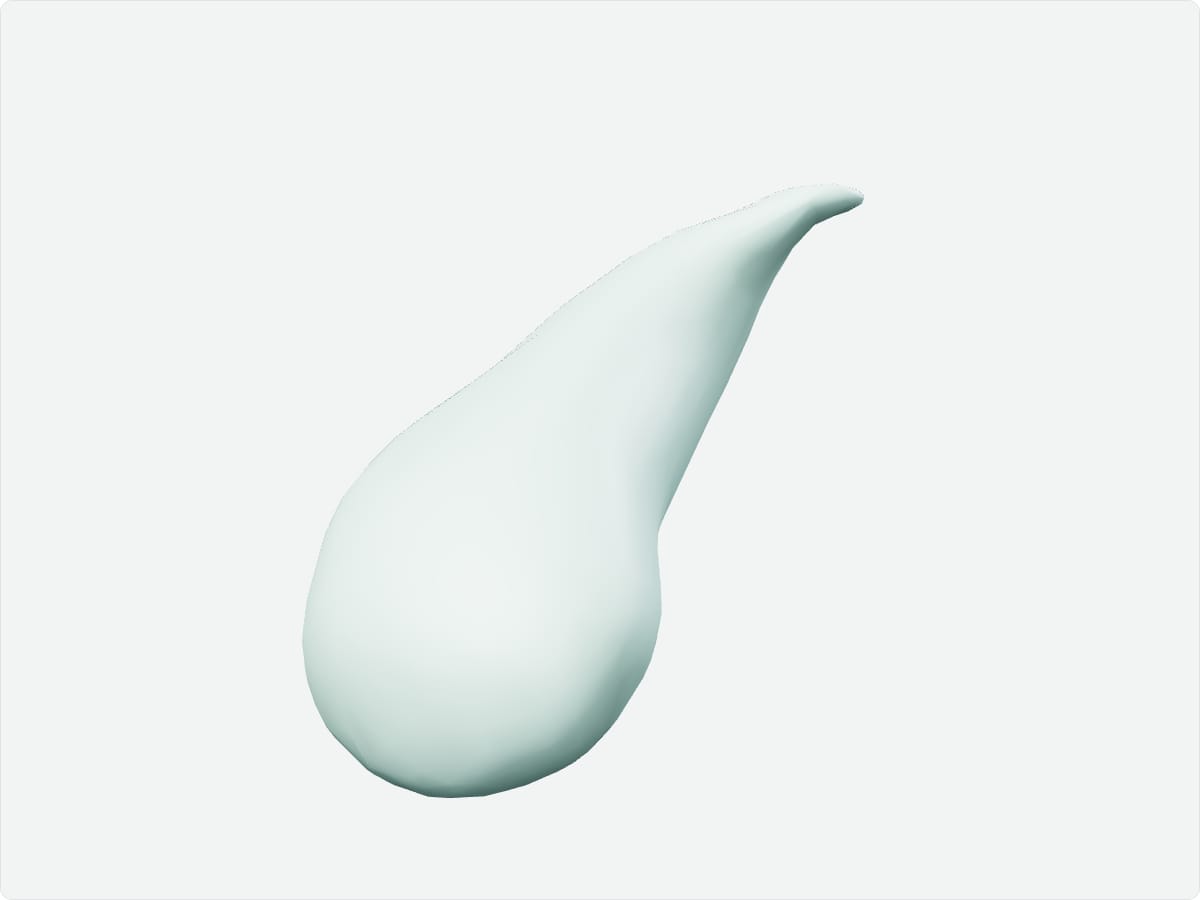
The gallbladder is a small pear-shaped sac on the underside of the liver. It stores and concentrates bile made by the liver and releases it through the cystic duct and common bile duct into the duodenum when fatty food arrives. The cystic artery, a branch of the right hepatic artery, supplies it.
Key facts
Location
Under the right lobe of the liver, at the junction of the right costal margin and the lateral edge of the rectus abdominis.
Structure
Fundus, body, infundibulum and neck; cystic duct with the spiral valve.
Function
Stores, concentrates and releases bile.
Blood supply
Cystic artery, usually from the right hepatic artery.
Innervation
Celiac plexus and vagus nerve; referred pain to the right shoulder via the phrenic nerve.
3D model: BodyParts3D (CC BY 4.0), adult male reference anatomy. Highlighted structure shown with nearby bones for context.
About the gallbladder
The cystic duct, common hepatic duct and inferior edge of the liver form the hepatobiliary triangle (Calot triangle), an important surgical landmark.
Clinical relevance
Gallstones can block the cystic duct and cause biliary colic or cholecystitis.
Murphy's sign, pain on inspiration when the right upper abdomen is palpated, suggests acute cholecystitis.
Frequently asked questions
What does the gallbladder do?
It stores and concentrates bile and releases it into the duodenum to help digest fat.
Can you live without a gallbladder?
Yes. The liver continues to deliver bile directly to the intestine.